How to Find a Pizza Restaurant That Uses Fresh Dough Daily

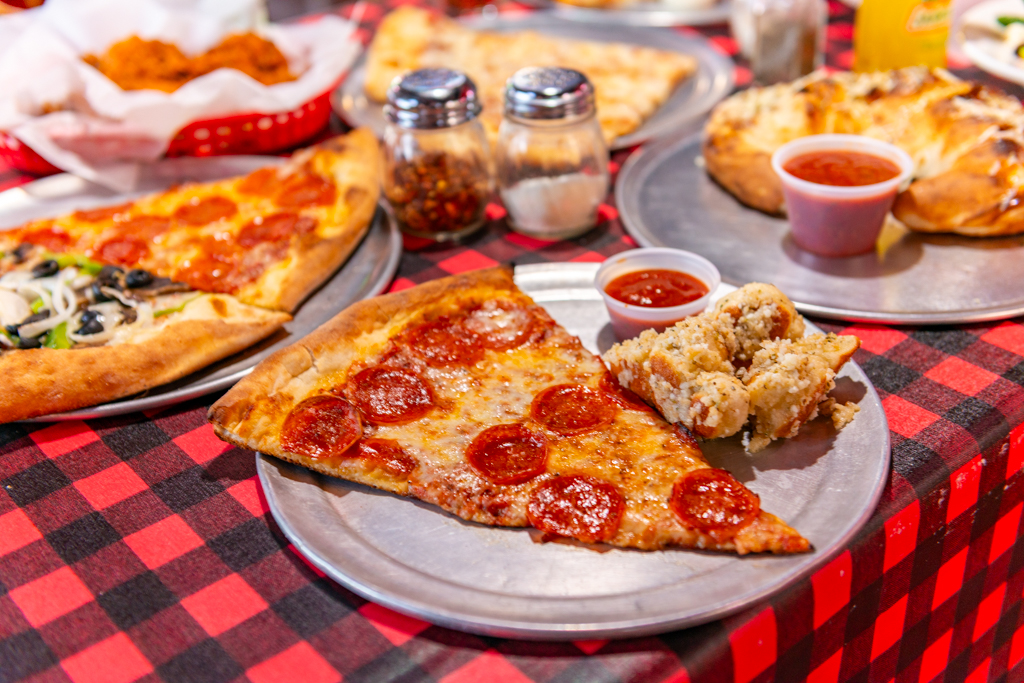
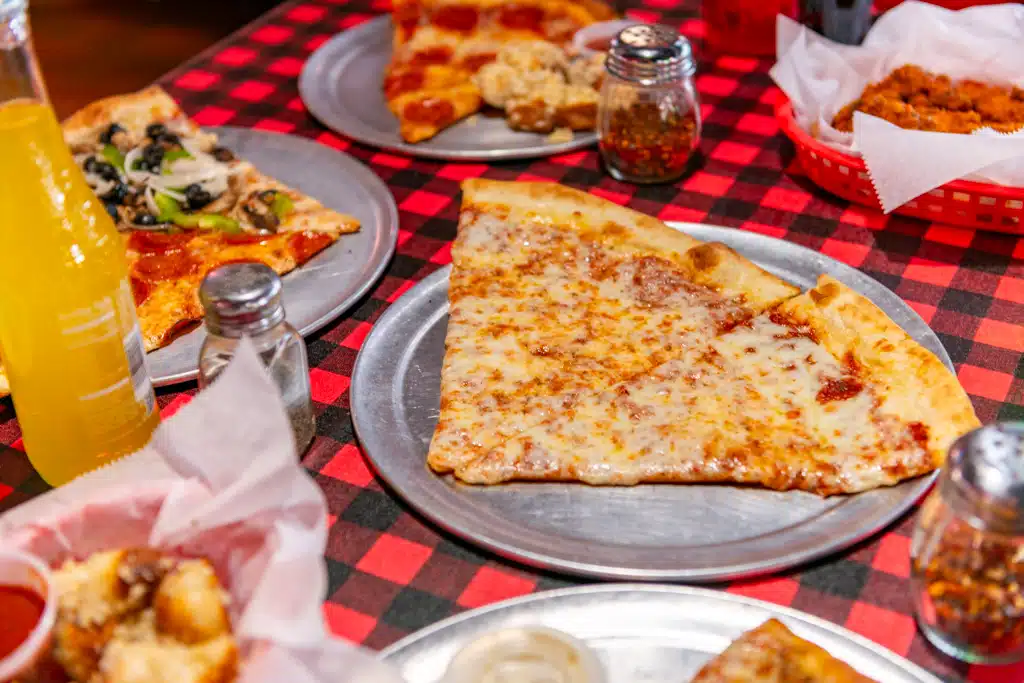
Fresh dough changes a pizza from acceptable to memorable. You can taste it in the crust before you know anything about the flour, the fermentation, or the oven. The rim has life to it. The interior stays tender instead of chalky. The bottom browns with character rather than turning into a stiff cracker. For a customer, that difference often decides whether a place becomes part of the weekly rotation or a one-time stop.
The problem is that many restaurants talk about freshness loosely. One shop may mix dough every morning. Another may receive pre-portioned dough balls from a commissary twice a week and still describe them as fresh. A third may par-bake shells off site and finish them to order. None of those businesses necessarily serve bad pizza, but they are not doing the same work, and they do not produce the same result.
If you want to find a pizza restaurant that uses fresh dough daily, you need a sharper eye than the typical online review reader. Star ratings help only a little. The strongest clues usually come from the way a shop smells at 11 a.m., what the staff says when you ask a simple question, how the crust behaves once it hits the table, and whether the restaurant’s workflow makes daily dough production realistic.
What “fresh dough daily” really means
At its simplest, fresh dough daily means the dough is made in house on a daily production schedule rather than bought fully prepared from elsewhere. That does not always mean the dough was mixed the same morning you ate there. In many serious pizza programs, dough is mixed every day but fermented for 24 to 72 hours before use. That is still daily fresh production because the restaurant is actively making dough each day for current and upcoming service.
This distinction matters because good pizza often depends on fermentation time. A same-day dough can work for certain styles, particularly some pan pizzas and a few fast-turn formats, but many of the best crusts benefit from a longer rest. A restaurant making dough daily may not be serving dough mixed that day. Instead, they are maintaining a disciplined cycle of mixing, balling, proofing, and using dough at the right stage. That is usually a sign of professionalism, not a contradiction.
By contrast, a shop that receives frozen dough pucks or ready-made crusts is operating from a different model entirely. Again, that does not automatically make the pizza terrible. Some frozen products are decent, especially in high-volume chains that value consistency. But if your goal is to find a pizza restaurant where the crust has the texture, aroma, and subtle variation that come from hands-on daily dough work, you need to separate real production from marketing language.
Start with the menu, but do not stop there
Menus reveal more than most diners realize. Restaurants that care about dough often mention it specifically, and with some precision. You may see references to house-made dough, long fermentation, natural starter, bread flour blend, or daily stretching. Those details suggest pride in process. Vague language such as “freshly baked crust” or “artisan-style base” tells you less. Those terms can mean almost anything.
A menu also tells you what kind of pizza operation you are looking at. A place offering deep dish, New York slices, Detroit squares, gluten-free crust, cauliflower crust, and wood-fired Neapolitan pies all from one kitchen may be trying to satisfy every preference at once. That breadth is not impossible, but it often signals a compromise-heavy system. Dough programs are labor-intensive. The more styles a kitchen offers, the harder it becomes to execute each one with daily care.
This is where judgment matters. A neighborhood pizza restaurant with a focused menu, six to ten signature pies, and a few build-your-own options is often better positioned to make fresh dough daily than a business with twenty-seven toppings, six crust formats, and an attached wing counter. Narrower menus support discipline. Discipline supports quality.
The phone call that tells you almost everything
One of the fastest ways to separate a genuine dough house from a place that leans on prepared product is to call during a non-rush hour and ask a direct question. Not an aggressive question, just a normal one. Something like, “Do you make your dough in house every day?” or “How long do you ferment your dough?”
The response matters as much as the answer. Staff at a restaurant that truly makes dough every day usually answer cleanly. Even if the person on the phone is not the dough maker, they often know the basic script because customers ask, and the kitchen is proud of it. You might hear, “Yes, we mix fresh batches every morning,” or “We make dough daily and cold-ferment https://tysonxhvj761.dovetailscope.com/posts/what-makes-stone-baked-pizza-special-at-a-pizza-restaurant it for two days,” or “Our dough is made in house, balled and proofed here.”
Hesitation is not always a red flag, but confusion often is. If the person says, “I think it comes in ready,” or “I’m not sure, but it’s fresh,” or “We get dough delivered,” you have useful information. If they have to put you on hold and return with a fuzzy answer, that also tells you something about how central dough is to the operation.
A short conversation can save you from relying on glossy photos and vague brand language. People who do real dough work tend to respect honest questions about it.
What to look for when you visit
The physical space can expose the truth quickly. Dough leaves traces. If a restaurant mixes and handles dough every day, the environment usually reflects that, even in polished open-kitchen concepts.
Here are some of the most reliable signs:
- Flour dust in the prep area, not as staged decoration but as natural evidence of use
- Dough trays, proofing boxes, or speed racks visible near the kitchen
- Staff stretching or pressing dough to order rather than pulling preformed shells from a stack
- A slightly yeasty, bready aroma during prep hours
- Limited tolerance for heavy last-minute menu modifications that disrupt dough flow
No single sign proves everything. Some restaurants keep production in a back kitchen you cannot see. Others clean constantly and reveal little from the dining room. But patterns matter. A shop using fresh dough daily generally looks like a place where dough is part of the daily rhythm, not a frozen item taken out of a box.
Timing helps too. Visit in the late morning or early afternoon if possible. That is when prep is active in many independent shops. You may catch staff portioning dough, loading trays, or dusting benches. By dinner service, much of that work is already done.
Crust texture tells the truth after the first bite
The crust gives away more than the marketing ever will. Fresh dough has a certain elasticity and irregularity that is difficult to fake. Even with a modest topping load, the slice should have structure without feeling rigid. When you bite into the rim, there should be some resistance followed by a tender pull. The crumb inside should show small to medium air pockets rather than a tight, uniform sponge.
Watch how the pizza cools. A crust made from well-managed fresh dough often holds up for several minutes without turning leathery. Reheated or heavily processed dough tends to reveal itself as it sits. The bite gets tougher. The bottom loses contrast. The texture flattens.
This is especially noticeable with plain or lightly topped pies. If you really want to judge a pizza restaurant, order a cheese pizza or a margherita at least once. Busy topping combinations can cover dough flaws. Cheese and sauce cannot hide much. In many kitchens, the plain pie is the closest thing to an honesty test.
There are style-specific nuances, of course. A New York slice should fold without collapsing into wetness. Neapolitan pizza should have a soft center and a puffy, blistered cornicione. Detroit-style dough should feel airy inside a crisp, caramelized edge. Different styles demand different textures. The point is not to compare all crusts to one ideal, but to look for signs of active, living dough rather than something manufactured for shelf stability.
Why great dough often comes from smaller operations
Larger operations can absolutely make fresh dough daily. Some regional chains do it well, with commissaries, strict timing, and solid technique. But in practice, smaller independent restaurants often give you a better chance of finding true daily dough production. They can adapt more quickly to weather, flour variation, and changes in demand. They waste less by staying close to real sales patterns. The person shaping the dough may be the same person who mixed it or trained under the person who did.
That continuity matters because dough is sensitive. Humidity can force hydration adjustments. Cooler weather can slow fermentation. A holiday weekend can require a different production volume than a rainy Tuesday. Restaurants that are close to their process generally respond better to those variables.
I have seen this play out in places that looked unremarkable from the outside. A small storefront with twelve seats and a scarred prep bench may produce better dough than a polished concept with custom branding and a giant social media following. The difference is often operational attention. One owner checks the dough temperature, tracks fermentation, and adjusts daily. The other expects a formula to behave the same way every day because the spec sheet says it should.
Watch how the staff talks about the crust
People reveal their values in the details they volunteer. At a serious pizza restaurant, staff often mention dough naturally. They may point out that the crust ferments for 48 hours, that the flour blend changes seasonally, or that the oven runs hotter for certain pies. These comments usually come without sales theatrics. They are just part of how the restaurant understands itself.
On the other hand, some places talk almost exclusively about toppings. There is nothing wrong with great sausage, good mushrooms, or imported mozzarella, but if all the storytelling centers on toppings while the crust remains an afterthought, that is worth noting. The dough is the foundation. Shops that treat it like a background detail often produce exactly that kind of pizza.
There is also a useful edge case here. Some excellent pizza makers are modest, even a little guarded. They may not recite their full process to every diner. That does not mean the dough is not real. Look for competence rather than performance. If the pizza is strong and the answers are clear, you do not need a lecture on wild yeast to trust what you are eating.
Social media can help, if you know what to ignore
Restaurant Instagram pages are full of beauty shots, but a few posts are more revealing than others. Look for behind-the-scenes images of dough trays, mixing bowls, dough balls resting in stacks, or bakers stretching skins on the bench. These are stronger indicators than dramatic cheese pulls or overhead shots of loaded pies.
Stories and reels can be especially useful because they capture routine activity rather than polished campaign photography. A quick clip of morning prep tells you more than a branded promo image. The same goes for customer photos, although those should be read carefully. Diners often reward excess toppings and giant portions with high praise, even if the crust is mediocre.
Review sites can also offer clues, but the signal-to-noise ratio is poor. The comments that matter are usually specific: “You can taste the fermentation,” “The crust has real chew,” “They were balling dough when I came in at noon,” or “The owner said they rest the dough for two days.” Generic lines like “Best pizza ever” do not help much.
Questions worth asking without sounding like a food snob
Most restaurant workers do not mind genuine curiosity, especially during quieter periods. If you want to learn whether a place uses fresh dough daily, a few simple questions go a long way.
- Do you make the dough here or bring it in from another kitchen?
- How often do you mix dough?
- Do you ferment it overnight or longer?
- Which pizza best shows off your crust?
- When is the best time to come if I want to taste it at its best?
These questions are practical, respectful, and easy to answer. They also create room for meaningful replies. Someone proud of the pizza usually welcomes the chance to explain it.
The last question is underrated. Good operators often know exactly when their product shines. They may tell you lunch is ideal because the dough is settled and the oven crew is fresh, or that early evening is strongest before the rush peaks. That kind of answer comes from experience.
Price can hint at the process, but it is not a guarantee
Fresh dough daily requires labor, planning, refrigeration space, and skilled handling. Those costs usually show up somewhere. A restaurant selling very cheap pizza in a high-rent area may be relying on shortcuts. Not always, but often. Ready-made crusts, dough from a central supplier, or low-fermentation systems can help keep prices down.
Still, expensive pizza is not automatically better or fresher. Some restaurants charge premium prices because the neighborhood supports them or because the decor is polished. The smartest approach is to treat price as context, not proof. If the pizza restaurant charges more than average and can clearly explain why, that is one thing. If it charges more and offers only vague claims about craftsmanship, skepticism is reasonable.
A fair benchmark is to compare the restaurant against others of the same style in the same market. If a wood-fired margherita costs a bit more but the dough program is visible and the crust is strong, that premium may be justified. If a basic pie is priced like a luxury item and the crust tastes generic, the dough probably is not where the money went.
The difference between fresh dough and well-managed dough
One final point deserves emphasis. “Fresh” sounds appealing, but freshness alone does not guarantee quality. A dough mixed daily and rushed into service can taste bland and bake unevenly. Another dough mixed yesterday, fermented carefully, and used at the right moment can produce outstanding pizza. The real target is not just fresh dough, but fresh daily production with sound fermentation and handling.
That is why the best restaurants tend to talk about process, not just timing. They understand dough as a living system. They plan around it. They make enough to meet demand but not so much that trays linger past their peak. They adjust when the weather changes. They train staff to stretch dough properly instead of smashing out the air. These are operational habits, and they matter more than slogans.
If you are choosing where to eat tonight, do not overcomplicate it. Pick a focused shop. Ask one or two direct questions. Order a pie that exposes the crust. Pay attention to texture, aroma, and structure. Over time, you will get very good at spotting the difference.
A truly good pizza restaurant rarely needs to hide behind language. The evidence is usually right there, in the bench flour, the dough trays, the smell near the oven, and the first bite of the crust. Once you learn to look for those signs, finding places that use fresh dough daily becomes far less of a guessing game and much more of a skill.